
After-School Pickup Plan: Free Printable Checklist
A look at Geopapa
See how the App Store presents these features. Scroll through the images or tap to view a larger preview.
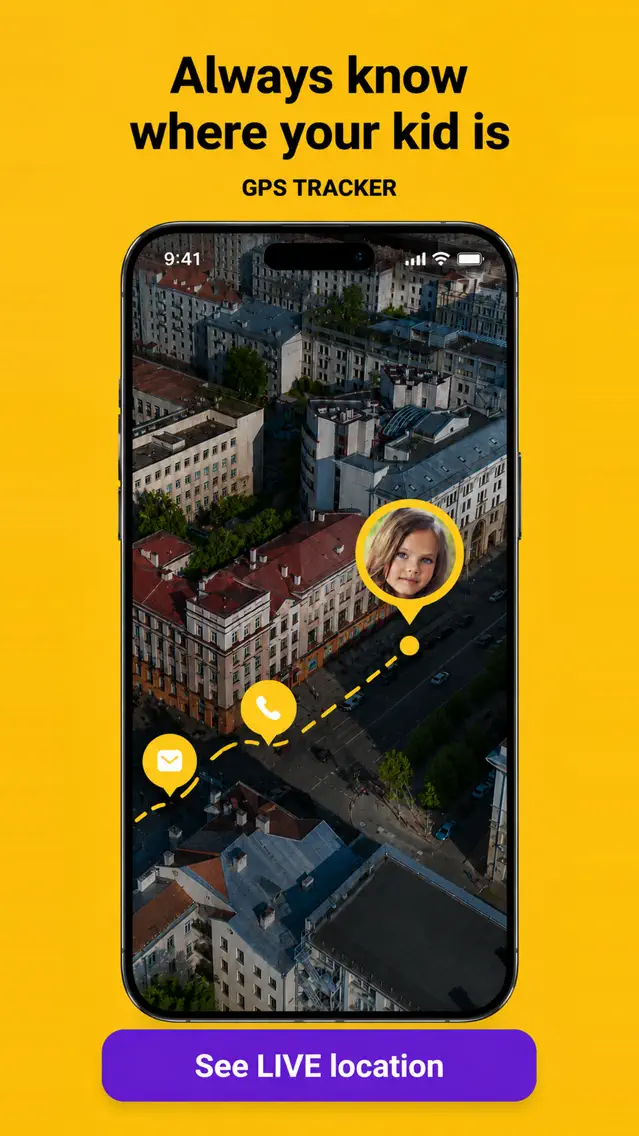
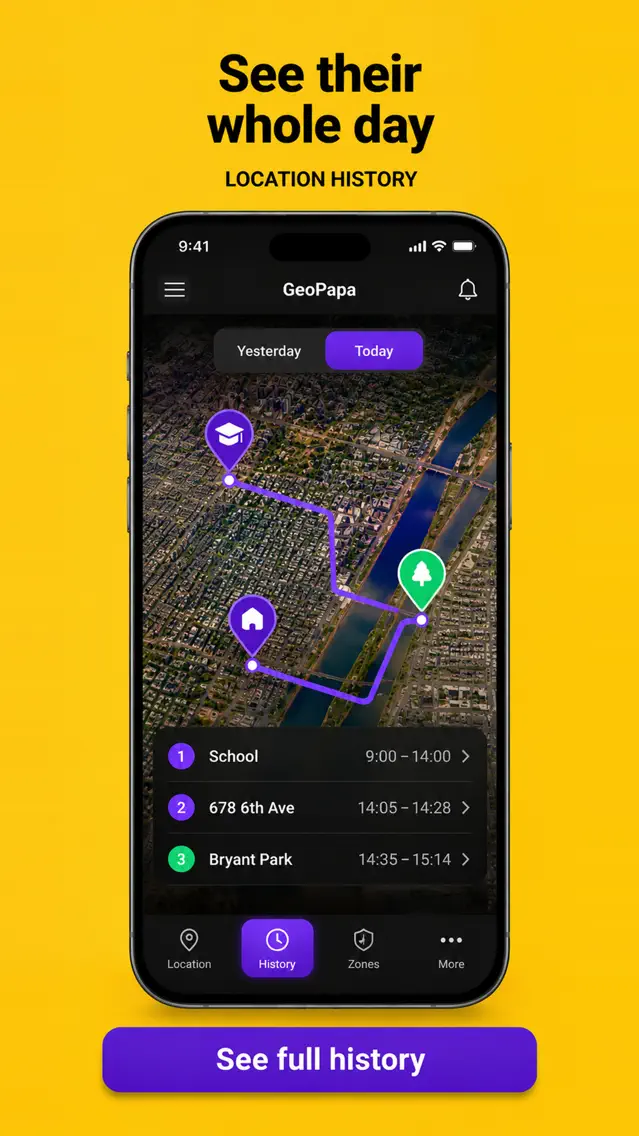
Source: the official Geopapa App Store listing. Promotional previews in English; the interface can vary by version.
New guide · Family communication · 16 September 2026
An after-school pickup plan answers four questions: where the child goes, which adult is responsible, how a change is confirmed and what happens if the expected check-in does not arrive. Put those answers in writing before adding app notifications. The school’s release and contact procedures remain the starting point.
Published by the current Teacher Help For Parents editorial team, part of the team behind Geopapa. We have a commercial interest in that app. This new guide and worksheet are separate from the original teaching archive. Read about the publisher.
Download the one-page school check-in plan (PDF), or use the headings below to make your own. It works for a family using calls and messages as well as one using a family locator.
1. Name the handoff for each school day
“Someone will pick you up” leaves too much unspecified. Write down the normal destination, the collection point and the adult responsible. If the child attends a club before collection, include who is responsible for the transition from school to that club.
A family worksheet does not authorize a new person to collect a child. Check how your school records approved collectors, how it accepts changes and whether there is a cutoff time. Use the details supplied by the school rather than assuming that a family group message also informs staff.
| Day | Normal arrangement | Who confirms a change? |
|---|---|---|
| Monday | Named caregiver collects at the agreed school exit. | The primary caregiver uses the school’s accepted channel. |
| Tuesday | Child attends the agreed club before collection. | The primary caregiver checks the school-to-club handoff and tells the backup adult if needed. |
| Any changed day | Use the revised arrangement only after the required people have confirmed it. | Record who has acknowledged it: school or club, caregiver and child as appropriate. |
2. Give the backup adult an actual role
Name a primary contact and a backup who has agreed to help. Make sure they have the current school or club contact details. Decide who makes the first call if an expected check-in is missing; otherwise two adults can each assume the other has handled it.
Keep the completed plan with the people who need it. Avoid putting home addresses, phone numbers or a child’s routine on a public class page. Review the plan when a club, caregiver or collection point changes.
3. Choose a check-in your child can actually use
The useful check-in depends on the child, the journey and school rules. It might be a call after leaving the school office, a message on reaching home or an arrival notification to a parent. Agree what the check-in means and who responds if plans change.
If your child carries a supported smartphone, a family locator app can supplement the arrangement. Geopapa’s family map shows the latest reported location and recorded route. Read the report time: a pin can be older than the moment you opened the app, and it locates the phone rather than proving who is with it.
For automatic place notifications, our school arrival notification app guide explains Geopapa alongside Google and Apple’s documented options. An alert does not authorize a handoff or confirm that staff released a child to the correct person.
4. Write a short change-of-plan message
Use the school’s accepted method and include the facts someone needs to act. A family example could be:
“Today’s arrangement has changed. [Approved caregiver] will collect [child] at [agreed place/time] instead of [normal arrangement]. I have notified [school/club] through [accepted channel]. Please confirm you have received the revised plan.”
This is an example to adapt, not a school form. An unread message or a map pin is not an acknowledgment. If the school requires a phone call, signed form or portal entry, follow that process.
5. Practise one ordinary afternoon
- Ask your child to explain where they will go and who they expect to meet.
- Confirm that the named adult knows the collection point and the current arrangement.
- Try the agreed check-in under normal phone conditions, including the school’s rules.
- Talk through one simple change: a club cancellation, a delayed caregiver or an unavailable phone.
- Set a review date and update all copies together.
If an expected check-in is missing, follow your agreed contact plan and use the school or club’s official channel where appropriate. Do not infer an attendance or pickup outcome solely from a location alert.
Free printable: school check-in and pickup plan
The worksheet includes space for the normal routine, responsible adults, confirmation method, phone rules, a missing-check-in response and a review date. It is a blank PDF for you to print and complete; there is no form submission or account required.
Download the school check-in plan. If printing is inconvenient, write the same headings in a shared family note and keep it private.
Where a child tracking app fits
Choose one if location reports and family communication solve a specific gap in your routine. Geopapa uses a parent app and a child companion app connected by a code. New location reports need the required permissions and connectivity. Its family chat can help coordinate plans, but it does not replace the school’s contact or release procedure.
Get Geopapa for Parents if those tools fit your family. It is free to download with in-app purchases; check device support and the current offer before subscribing.
Related teaching resources
- Preparing your child for the first day of school — an archived article that includes discussing after-school arrangements.
- Preparing for a parent-teacher conference — an archived teaching resource for a separate conversation about school life.
This plan is an original communication worksheet from the current publisher, not a school-approved release form. Product statements were checked against the linked Geopapa guides on 16 September 2026. Confirm your own school’s current procedures directly.